Two Structurally Different Markets
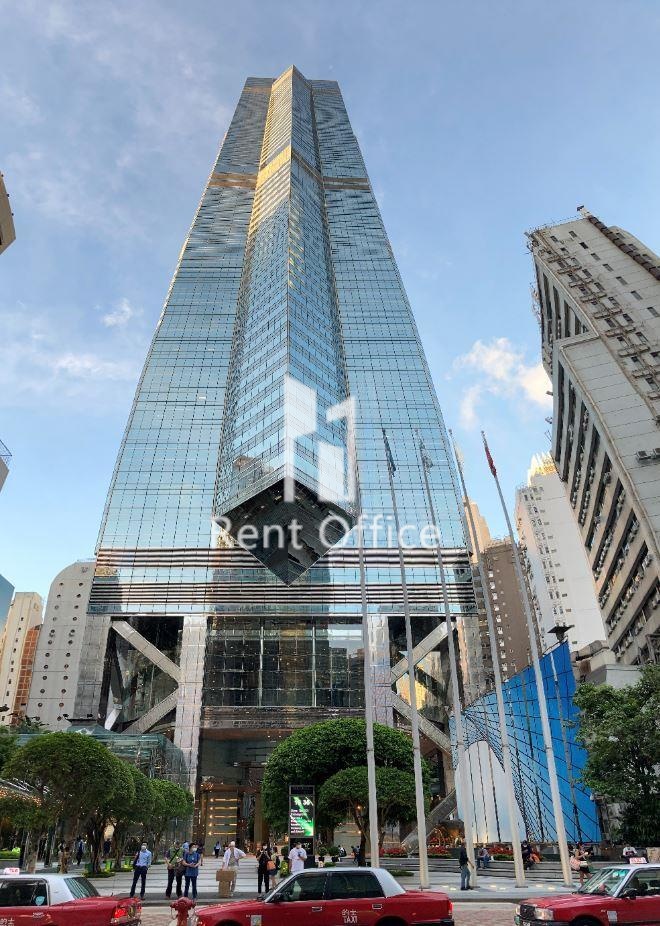
Hong Kong's office market is not a single homogeneous block but a patchwork of districts with distinct characteristics. Core business districts led by Central and Admiralty sit alongside emerging hubs such as Kowloon East (Kwun Tong, Kowloon Bay) and Wong Chuk Hang, each following its own logic in tenant mix, supply cadence and capital-market positioning. Grasping this divide is the starting point for any sound investment decision. Core districts host banking, legal and multinational headquarters whose attachment to location is exceptionally strong; emerging districts absorb cost-sensitive back offices, tech firms and design studios that trade prime address for space and flexibility.
Rental Resilience: Stickiness vs Elasticity
On rental resilience, core districts generally hold up better. Scarce prime supply and high relocation costs mean that even in a downturn, rents on quality core assets tend to adjust gradually rather than collapse. Emerging districts, by contrast, see greater tenant mobility and sharper sensitivity to headline rents. As new supply comes online, bargaining power typically shifts toward tenants, and rental volatility becomes more pronounced. For investors prioritising stable cash flow, this is the core districts' defining advantage.
The Supply-Yield Trade-off
In supply terms, emerging business districts have generally been the main source of new Grade-A floor space in recent years, with sizeable, high-spec completions continuing to enter the market and weighing on near-term absorption. Core districts, constrained by land scarcity, see limited new supply. This dynamic feeds directly into yields: core assets carry high prices and generally lower initial yields, whereas emerging districts offer lower entry costs and headline yields that tend to look more attractive—at the price of higher vacancy and rent-reversion risk. In effect, investors choose between "low yield, high stability" and "high yield, high volatility".
Upside and Repositioning Themes
On appreciation potential, the case for core districts rests mainly on scarcity and long-term capital preservation. Emerging districts carry an additional structural narrative of repositioning—government planning, improved transport infrastructure and clustering effects can drive a re-rating of an entire submarket. When such themes take hold, upside tends to exceed that of mature core districts, though realisation is slow and uncertain.
A District-Selection Framework
Investors can approach district selection in three steps. First, clarify the objective: favour core districts for capital preservation and stable income; consider emerging districts for growth and higher headline yield. Second, assess the holding period: shorter horizons should weight absorption and vacancy risk heavily, while longer horizons can absorb the cyclical swings of emerging areas. Third, stress-test: model cash flow under conservative rent and vacancy assumptions to confirm the asset remains holdable in adverse scenarios.
- Core districts: strong rental resilience, lower yields, prized for stability.
- Emerging districts: lower entry cost, attractive headline yield, prized for potential upside—but exposed to supply and volatility risk.
Neither is inherently superior; the question is whether it matches your own risk appetite and capital profile.