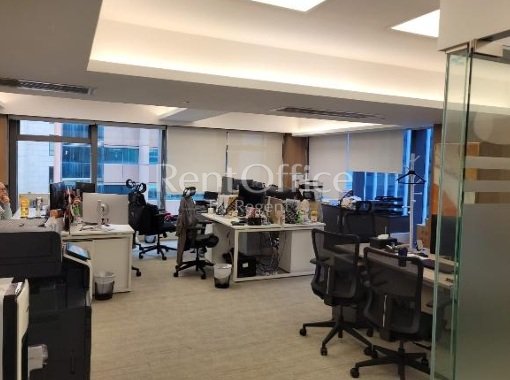
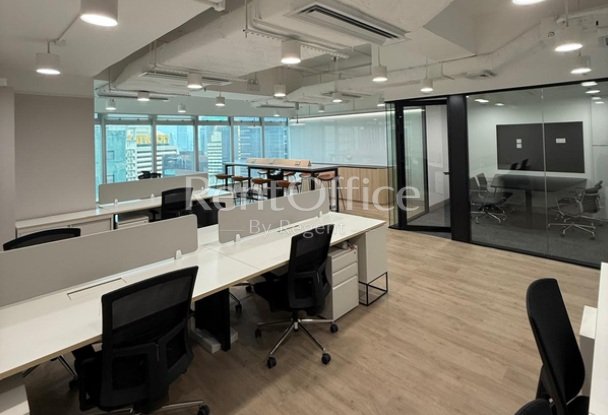
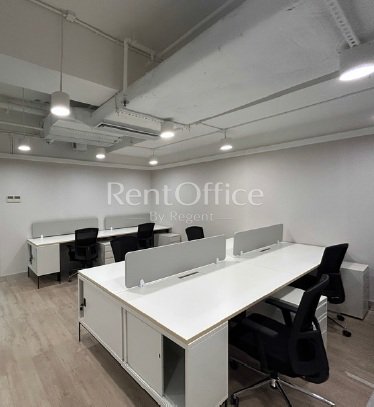
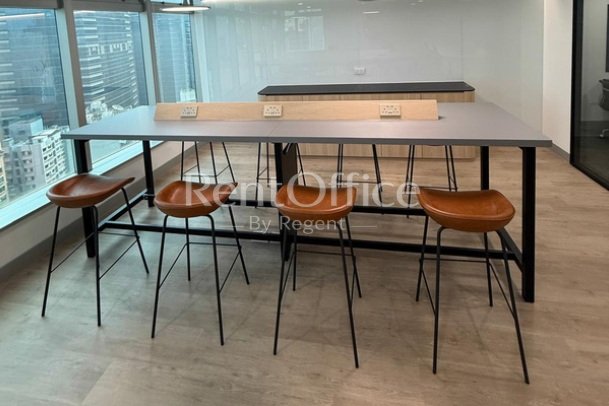
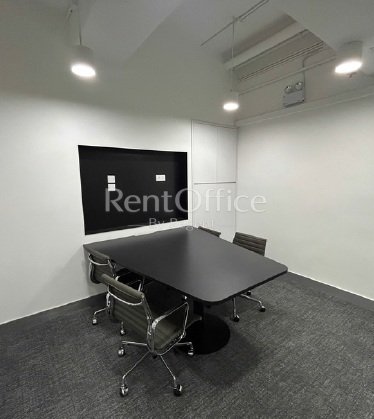
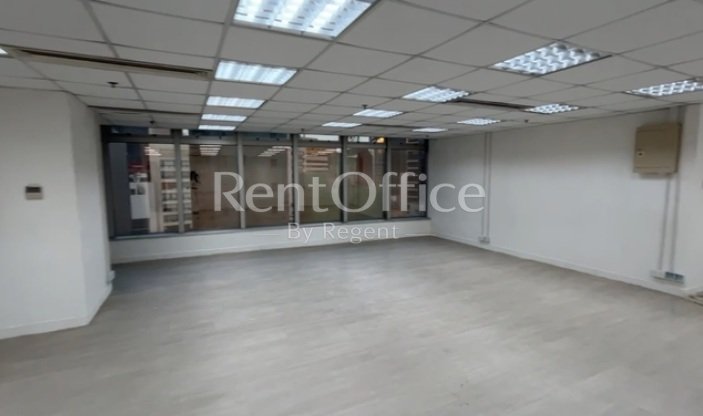
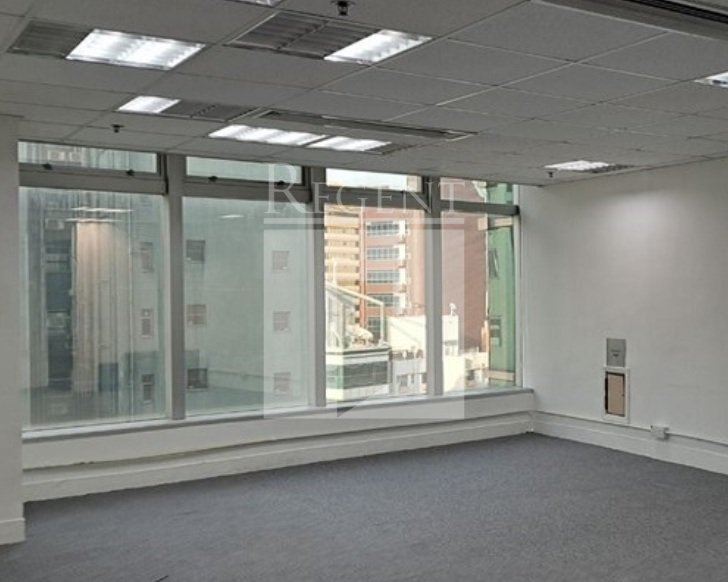
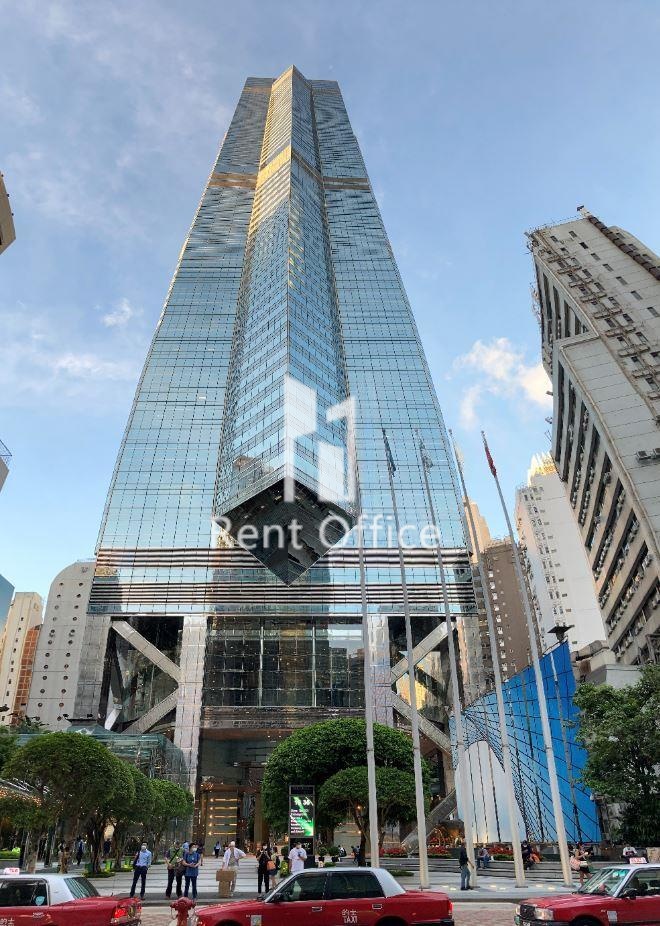
香港寫字樓
Licensed Hong Kong Commercial Agency · 15 Years

Office Space, Industrial & Retail for Rent in Hong Kong 3,478 Listings · Updated Daily

Office, industrial, retail and serviced office space across 45 Hong Kong districts and 2,626 commercial buildings. Median office rent is HK$33 per sq ft per month — compare by district, size and budget.

Search
3,400+

Quality Properties

45

Coverage Areas

2,626

Buildings in database

⭐ Our Services

One-StopCommercial Rental Solutions

From property search to lease signing, our expert advisors guide you every step

2,278 Listings

Grade A Office

Premium Grade A offices in Central, Admiralty, Wan Chai and other core business districts, ready to move in.

Learn More
583 Listings

Industrial For Rent

Kwun Tong, Tsuen Wan, Tuen Mun and other industrial areas, ideal for creative studios and logistics.

Learn More
177 Listings

Shop For Rent

Prime locations in Mong Kok, Causeway Bay, Tsim Sha Tsui, suitable for all industries.

Learn More
632 Listings

Coworking Space

Flexible lease terms, ready to use immediately — ideal for startups and freelancers.

Learn More
About RentOfficeHK

Why RentOfficeHK

RentOfficeHK is a licensed Hong Kong estate agency established in 2011, specialising in office, industrial and retail leasing and sales. Beyond the district listings, we maintain our own database of 2,626 commercial buildings — full address, completion year, total floor area, lift provision, management fee rate and on-site photography — so tenants can weigh the building and its surroundings, not only the rent.

Our team works across every district in Hong Kong and knows the condition of the stock, landlord expectations and where there is room to negotiate. We advise on location, space planning and lease terms.

Licensed agency
EAA licensed · named agent on every listing
2,626 buildings
Address, floors, lifts, fee rates, site photos
Updated daily
Listings go live and come down in real time
Three languages
Traditional Chinese, Simplified Chinese and English editions kept in sync — our advisors work in multiple languages.
Market Insights

Office & Retail Market Insights

Quarterly briefings, district features and leasing guides from the RentOfficeHK editorial desk

More
FAQ

SME Office Rental Q&A

Common questions from entrepreneurs and SME owners about commercial property leasing

Expert Tip

Commercial leases involve complex legal terms. Consult a professional property advisor before signing to ensure fair terms and protect your interests.

Enquire Now
Gross Area includes communal spaces such as lobbies, lift shafts and common corridors. Lettable Area typically refers to the internal unit space plus a proportionate share of common corridors and restrooms. Net Area, also known as Carpet Area, refers purely to the usable floor space within the unit itself. The efficiency ratio varies significantly between buildings — Grade A offices generally achieve 65–75%, while older buildings may drop to around 50%. Before signing a lease, you must clarify which area measurement the landlord is quoting. Otherwise, you might believe you are renting 1,000 square feet when only 600 square feet is actually usable. To accurately compare the true cost per square foot across different units and avoid costly miscalculations, it is best to consult a professional commercial property advisor who can verify the measurements on site and ensure the data is accurate.
Whether to renew your lease or relocate depends on several critical factors: how your current rent compares to prevailing market rates, your company's expansion plans over the next two to three years, your existing relationship with the landlord, and the tangible costs of moving including fit-out, IT relocation and business disruption. If market rents have fallen since you signed, relocating could potentially save 20–30% on annual rental expenditure. However, if you have invested significantly in office fit-out and your clients are accustomed to your current address, renewing may prove more cost-effective. Furthermore, during renewal negotiations you can often secure additional fit-out allowances or rent-free periods, as landlords typically prefer to retain quality existing tenants rather than face vacancy periods. Which option ultimately serves your interests best requires a detailed case-by-case analysis. We recommend engaging a professional leasing advisory team to provide objective market analysis and tailored alternatives based on your business plan.
Grade A offices typically offer comprehensive facilities including 24-hour central air-conditioning, smart card access systems, professional property management teams and impressive entrance lobbies. They are well suited to industries such as finance, legal services, insurance and consulting that frequently receive clients, as these features help project a professional corporate image. Grade B offices have more basic facilities, lower management fees and rents typically 30% or more below Grade A levels. They suit start-ups, technology companies or back-office functions with more flexible requirements for corporate image. However, location decisions should never rely solely on building grade. Businesses must comprehensively consider their industry nature, target client profile, staff commuting convenience, budget planning and future expansion needs. Additionally, some buildings' grade classifications may not fully reflect actual on-site amenities and management standards. We recommend conducting site visits and seeking assessment from a professional commercial property advisor to ensure the chosen location genuinely aligns with your corporate development strategy.

Commercial leases contain numerous detailed provisions that first-time tenants often overlook. First, confirm whether the quoted area refers to Gross Area or Net Area, as this directly affects the effective cost per square foot. Second, rent-free periods vary significantly depending on the unit's condition — shell units or those requiring extensive fit-out typically offer greater room for negotiation. Third, for ongoing charges such as management fees, government rates, government rent and after-hours air-conditioning, request a written cost estimate from the landlord to avoid budget surprises. Fourth, clarify reinstatement clauses early in the negotiation process to avoid unexpected restoration costs when the lease ends. Fifth, understand the permitted use restrictions under the deed to ensure your business activity is legally allowed. Every lease carries different negotiation leverage depending on the landlord's position, property vacancy rates and current market conditions. To ensure the terms are clear, reasonable and favourable to your interests, we recommend engaging a professional leasing advisory team to review the lease and negotiate on your behalf.
Commercial properties in Hong Kong are typically quoted in Gross Area (GA). The net usable floor area generally represents 65–75% of the Gross Area due to common area loadings. As a practical benchmark, allow 80 to 100 square feet of Gross Area per employee — this covers individual workstations, circulation space and a proportional share of common areas. Any dedicated requirements such as private meeting rooms, a reception area, pantry or storage will need to be added on top of this figure. For start-ups, it is advisable to build in headroom for two to three years of anticipated growth; relocating prematurely due to space constraints incurs additional costs and operational disruption. Note that some buildings impose minimum lettable area requirements, and some landlords stipulate minimum lease terms, both of which should be confirmed with your agent before shortlisting. We recommend engaging a professional commercial property advisor to accompany you on viewings and provide accurate space recommendations tailored to your team structure and business plan.
Industrial building rents are generally 30–50% lower than equivalent commercial offices, but there are several important considerations. First and foremost, confirm whether the deed restrictions permit office use. Some industrial buildings can apply for an exemption letter from the Lands Department to convert to office use, but must comply with strict floor area limits and fire safety regulations including emergency exit requirements. Additionally, industrial buildings typically fall short of commercial offices in terms of passenger lift capacity, lobby appearance, visitor reception facilities and after-hours security. These factors may affect your company's professional image and client experience. Whether this arrangement suits your business depends on how frequently clients visit your premises and your company's branding requirements. Some businesses successfully operate from industrial buildings with minimal issues, while others find the limitations constrain their growth. We recommend engaging a professional leasing advisory team to conduct a thorough compliance and suitability assessment, ensuring the location meets both regulatory requirements and your business needs.
Enquire Now

Ready to Find Your
Ideal Office Space

Our professional advisory team is on standby to provide free consultation and market analysis, helping you make the smartest decision.

Book a Consultation

Fill in the form, we'll contact you within 1 hour

Loading...
WhatsApp Enquiry

By submitting, you agree to our Privacy Policy and Terms of Service